

12 Crore Visitors Expected at Nashik Simhastha Kumbh Mela
Around 12 crore visits are projected for the upcoming Nashik–Trimbakeshwar Simhastha Kumbh Mela, making it one of India’s largest anticipated religious gatherings. The 2027 main Mela period will run from 15 June to 30 September 2027, while the wider Simhastha period begins with Dhwajarohan on 31 October 2026 and concludes on 24 July 2028. Devotees will gather at sacred locations in Nashik and Trimbakeshwar to participate in holy bathing ceremonies, religious processions and spiritual activities.
The projected visitor figure highlights the scale of preparations required from the Maharashtra government and the Nashik–Trimbakeshwar Kumbh Mela Authority. Authorities must coordinate transportation, accommodation, sanitation, drinking water, medical facilities, security and crowd management.
For pilgrims, the gathering offers an opportunity to visit Ramkund, take a holy dip in the Godavari River, seek blessings at Trimbakeshwar Jyotirlinga Temple and witness the participation of religious organisations and Akharas.
Here is everything visitors should understand before planning their journey.
Nashik Simhastha Kumbh Mela: An Overview
The Nashik Simhastha Kumbh Mela is a major Hindu religious gathering held in Nashik and Trimbakeshwar in Maharashtra. It brings together devotees, saints, sadhus, religious organisations and visitors from different parts of India.
The word Simhastha refers to the traditional astrological association of the Kumbh with Jupiter’s position in Leo (Simha). Religious traditions connect the timing of the gathering with auspicious planetary positions and sacred bathing.
The Godavari River plays a central role in the Nashik celebration. Devotees visit its ghats to perform prayers, religious rituals and holy bathing.
Unlike a gathering limited to one temple or bathing location, the Nashik–Trimbakeshwar Simhastha involves two important pilgrimage centres:
- Nashik: The city includes Panchavati, Ramkund and important Godavari riverfront locations.
- Trimbakeshwar: This pilgrimage town is home to Trimbakeshwar Jyotirlinga Temple and Kushavarta Tirth.
The two locations are approximately 28–30 km apart by road. Each has its own religious importance and event arrangements.
The Maharashtra government established the Nashik–Trimbakeshwar Kumbh Mela Authority (NTKMA) to coordinate the planning and management of the gathering.
Why Are 12 Crore People Expected to Visit Nashik?
The projection of 12 crore visits reflects the religious importance and nationwide appeal of the Nashik Simhastha Kumbh Mela.
According to a Times of India report published on 9 April 2026, authorities projected a footfall of more than 12 crore devotees for the 2027 gathering. The report compared this projection with approximately 2.5 crore pilgrims who visited Nashik during the 2015 Kumbh Mela.
It is important to understand that 12 crore represents expected footfall, not confirmed attendance or necessarily 12 crore different individuals. A long-running religious festival can record repeat visits by the same person.
Several factors explain the expected scale.
1. Religious Importance of the Kumbh Mela
The Kumbh Mela holds a special place in Hindu religious traditions. Devotees believe that participating in sacred bathing, prayers and religious ceremonies during auspicious periods brings spiritual merit.
Nashik is one of the traditional Kumbh pilgrimage destinations. Its association with the Godavari River makes the city especially important during Simhastha.
2. Sacred Bathing in the Godavari River
The Godavari is one of India’s most revered rivers. Many devotees consider bathing in its sacred waters during Simhastha an important religious practice.
Ramkund and other designated bathing locations attract pilgrims who wish to perform rituals and offer prayers.
3. Participation of Saints and Akharas
The gathering attracts religious leaders, sadhus, saints and Akharas. Their presence contributes to the spiritual and cultural importance of the festival.
The traditional processions and Amrut Snan ceremonies are among the major attractions for devotees.
4. Importance of Trimbakeshwar Jyotirlinga
Trimbakeshwar is home to one of the twelve Jyotirlingas of Lord Shiva. Devotees visiting Nashik for Simhastha may also plan a pilgrimage to this important temple.
Kushavarta Tirth in Trimbakeshwar is another important bathing location associated with the gathering.
5. Participation from Across India
The Kumbh Mela attracts devotees from Maharashtra, Uttar Pradesh, Madhya Pradesh, Gujarat, Rajasthan, Karnataka and other states.
Religious organisations, pilgrimage groups and individual travellers also contribute to the expected visitor numbers.
The combination of holy bathing, temple visits, religious processions and cultural activities explains why authorities are preparing for such a large gathering.
When Will Nashik Simhastha Kumbh Mela Take Place?
The Nashik–Trimbakeshwar Simhastha has a longer ceremonial period than the main bathing season. Its opening, major Mela activities and closing ceremonies take place across different dates.
The official event information identifies 31 October 2026 as the Dhwajarohan date and 24 July 2028 as the Dhwajavatarana date. The main Mela period is scheduled for 15 June to 30 September 2027.
Important Nashik Kumbh Mela Dates
| Event | Date | Significance |
|---|---|---|
| Dhwajarohan | 31 October 2026 | Ceremonial beginning of Simhastha |
| Main Mela period begins | 15 June 2027 | Start of the main gathering period |
| Nagar Pradakshina | 29 July 2027 | Traditional religious procession |
| First Amrut Snan | 2 August 2027 | Major sacred bathing occasion |
| Second Amrut Snan | 31 August 2027 | Major sacred bathing occasion |
| Third Amrut Snan, Nashik | 11 September 2027 | Bathing at Ramtirth |
| Third Amrut Snan, Trimbakeshwar | 12 September 2027 | Bathing at Kushavarta Tirth |
| Dhwajavatarana | 24 July 2028 | Ceremonial conclusion |
Important date clarification: The official event website has displayed inconsistent Amrut Snan dates across some of its pages. The live event schedule and Snan calendar should therefore be checked again before publishing or booking travel. The dates above follow the detailed official event schedule and calendar retrieved on 18 November 2026.
Where Will the Nashik Kumbh Mela Be Organized?
The Nashik Simhastha Kumbh Mela will take place across Nashik city and Trimbakeshwar. These are separate pilgrimage centres, so visitors should understand their locations before arranging transport and accommodation.
Nashik City
Nashik is the main urban centre associated with the Godavari riverfront activities.
Important locations include:
- Ramkund: A prominent sacred bathing site on the Godavari River.
- Panchavati: An important religious area associated with Lord Rama.
- Ramtirth: An important Simhastha ceremonial and bathing location.
- Godavari riverfront: The ghats and surrounding areas used for religious activities.
Trimbakeshwar
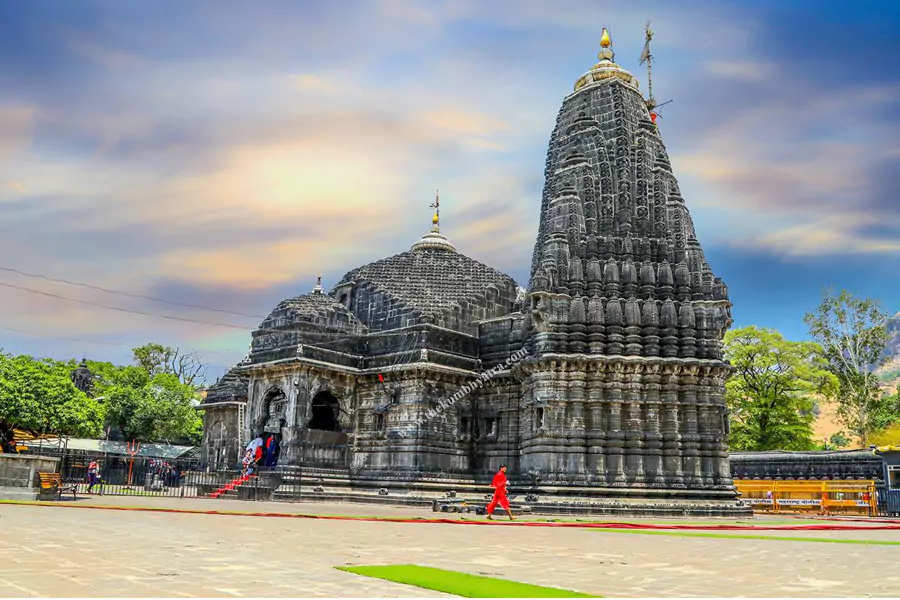
Trimbakeshwar is a separate pilgrimage town located around 28–30 km from Nashik.
Its main religious attractions include:
- Trimbakeshwar Jyotirlinga Temple.
- Kushavarta Tirth.
- Sacred bathing areas designated for Simhastha activities.
The distance between the two locations may appear short, but travel can take considerably longer during major bathing days because of traffic restrictions, pedestrian movement and crowd-management arrangements.
Pilgrims should check the official transport plan before travelling between Nashik and Trimbakeshwar.
Religious Significance of Nashik Simhastha Kumbh Mela
The Nashik Simhastha Kumbh Mela has deep religious and cultural importance in Hindu traditions.
The Godavari River
The Godavari is often called the Dakshin Ganga because of its religious importance in southern and central India.
Hindu traditions regard the river as sacred. During Simhastha, devotees visit its banks to bathe, perform prayers and participate in religious ceremonies.
Ramkund and Panchavati
Ramkund holds an important place in Nashik’s pilgrimage history. Traditional beliefs associate this location with Lord Rama’s stay in Panchavati during his exile.
The surrounding area includes several temples and religious sites that attract devotees throughout the year.
Trimbakeshwar Jyotirlinga
Trimbakeshwar Temple is one of the twelve Jyotirlinga shrines dedicated to Lord Shiva.
Its location near the source region of the Godavari adds to the religious importance of Trimbakeshwar during Simhastha.
Saints, Sadhus and Akharas
Akharas are traditional Hindu religious organisations with their own spiritual lineages, customs and leadership structures.
Their participation in the Kumbh Mela includes religious processions, rituals and sacred bathing ceremonies.
The gathering also offers visitors an opportunity to learn about different spiritual traditions and religious practices.
Important Shahi Snan and Amrut Snan Dates

Shahi Snan is the traditional expression widely used for the ceremonial bathing of Akharas during Kumbh gatherings. The term Amrut Snan is also used in contemporary official event communications.
These bathing occasions hold special importance because they involve religious processions and the participation of saints and Akharas.
The Nashik–Trimbakeshwar Simhastha has major Amrut Snan occasions in August and September 2027.
| Bathing Occasion | Location | Scheduled Date |
|---|---|---|
| First Amrut Snan | Nashik | 2 August 2027 |
| Second Amrut Snan | Nashik | 31 August 2027 |
| Third Amrut Snan | Ramtirth, Nashik | 11 September 2027 |
| Third Amrut Snan | Kushavarta Tirth, Trimbakeshwar | 12 September 2027 |
The bathing schedule may include additional Parva Snan dates and specific auspicious timings.
Visitors should not assume that every ghat will remain accessible to the public during Akhara processions. Follow designated bathing routes and the latest official instructions.
What Preparations Are Being Made for 12 Crore Visitors?
Organising a religious gathering of this scale requires coordination between state departments, municipal authorities, police, transport agencies and health services.
The Maharashtra government established NTKMA to coordinate the preparations for the Nashik–Trimbakeshwar Simhastha.
A parliamentary reply dated 29 January 2026 stated that the authority had granted administrative approval for infrastructure and security works worth ₹9,600.30 crore. The reply also identified roads, electricity, water supply, ghats and security systems among the areas requiring development.
The following areas are important to the preparation programme.
Roads and Transportation
Authorities need to improve road access to major pilgrimage areas and manage traffic approaching Nashik and Trimbakeshwar.
Road development and highway projects are part of the wider infrastructure programme.
Temporary Accommodation
A gathering of this size creates substantial demand for accommodation.
Hotels, guesthouses, dharamshalas, ashrams and other registered accommodation providers are important options. Temporary tent-city arrangements may also be considered through official planning.
Visitors should wait for confirmed accommodation announcements before relying on a particular government facility.
Drinking Water and Sanitation
Authorities must plan drinking-water distribution, public toilets, waste collection and regular sanitation.
These services are especially important around bathing ghats, temporary camps, transport hubs and crowded pedestrian routes.
Medical and Emergency Services
Large gatherings require medical assistance, emergency response teams and access to nearby hospitals.
Visitors should identify official medical assistance points and emergency contacts before visiting.
Ghat and Riverfront Arrangements
The administration must prepare designated bathing areas and manage pedestrian access around the Godavari and Kushavarta Tirth.
The arrangements need to support safe movement during major bathing occasions.
How Will the Administration Manage Such a Huge Crowd?
Managing an estimated 12 crore visits requires more than infrastructure development. Authorities also need an organised system for controlling movement and responding to emergencies.
Important planning areas include:
| Management Area | Purpose |
|---|---|
| Crowd-flow planning | Manage pedestrian movement around ghats and temples |
| Traffic restrictions | Reduce congestion near important religious locations |
| Designated parking | Keep private vehicles away from crowded areas |
| CCTV and surveillance | Support monitoring of important public locations |
| Medical assistance | Provide help during illness and emergencies |
| Emergency response | Coordinate action during unexpected incidents |
| Public announcements | Share instructions and important updates |
| Help desks | Guide pilgrims and assist visitors |
| Lost-and-found services | Help reunite separated family members |
The official event website provides access to visitor information, safety guidance, emergency contacts and live updates. Specific arrangements should be checked through its notices and advisories rather than assumed to be operational everywhere.
How to Reach Nashik for Simhastha Kumbh Mela?
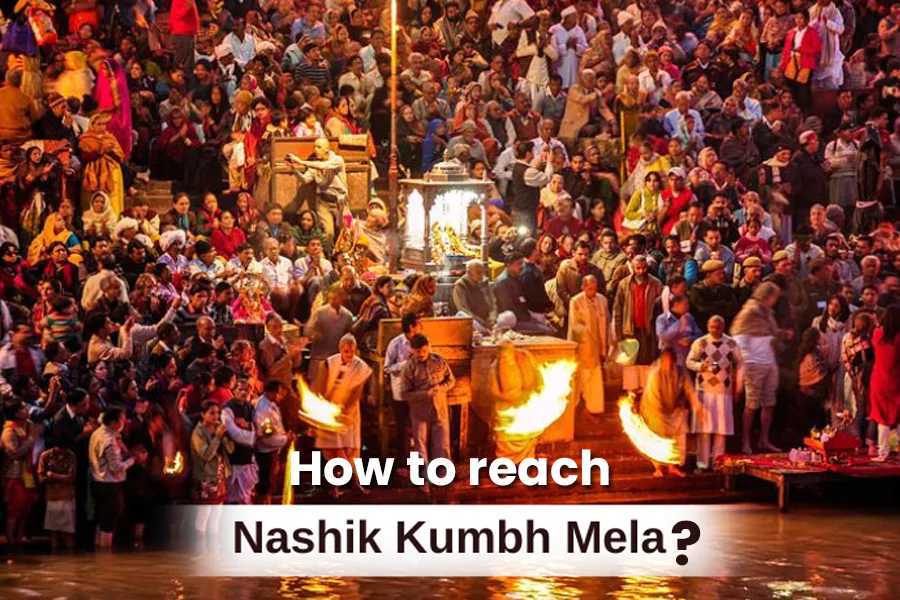
Nashik has road, railway and air connectivity. Visitors travelling for Simhastha should plan their journey early, particularly if they intend to attend an Amrut Snan.
By Train
Nashik Road is the main railway station serving Nashik.
It connects the city with several major railway routes, including services from Mumbai and other Indian cities.
From Nashik Road, visitors can arrange onward transportation towards Panchavati, Ramkund and other designated event areas.
Indian Railways may operate additional services depending on passenger demand. Check official railway announcements before assuming that a special train will operate from your city.
By Road
Nashik has road connections with Mumbai, Pune, Shirdi, Gujarat and other parts of Maharashtra.
Visitors can travel by:
- State transport buses.
- Private buses.
- Taxis.
- Private cars.
- Organised pilgrimage vehicles.
However, road restrictions and parking arrangements may change during the Mela.
The official transport guidance recommends planning the journey in stages, with designated parking or public transport followed by walking or shuttle services where applicable.
By Air
Nashik Airport at Ozar is located outside the main city.
Mumbai and Pune airports are other options for visitors travelling from distant locations.
From the airport, travellers can continue to Nashik or Trimbakeshwar by road.
Check flight schedules and airport connectivity before booking.
Where Can Pilgrims Stay During Nashik Kumbh Mela?
Accommodation planning will be an important part of the Nashik Kumbh Mela experience.
With a projected footfall of 12 crore visits, demand for rooms and temporary accommodation may increase significantly around the major bathing dates.
Visitors can explore several types of accommodation.
Hotels
Nashik has hotels across different budgets. Visitors looking for private rooms, family accommodation or additional services can consider hotels in the city.
Dharamshalas
Dharamshalas provide accommodation for pilgrims and may offer comparatively economical options.
Visitors should confirm availability, booking conditions and facilities directly with the establishment.
Ashrams and Religious Guesthouses
Some religious institutions offer accommodation to devotees. Rules and availability vary, so advance confirmation is important.
Temporary Camps and Tent Accommodation
Temporary camps and tent cities are commonly associated with large pilgrimage gatherings. However, travellers should check official announcements regarding their location, booking process, charges and available facilities for this particular Simhastha.
Why Should You Book Early?
The busiest periods are likely to be around the major Amrut Snan dates.
Early planning can help visitors:
- Find accommodation near their preferred pilgrimage location.
- Compare room prices and facilities.
- Avoid last-minute booking difficulties.
- Arrange transport between Nashik and Trimbakeshwar.
- Plan a more comfortable stay for elderly family members.
Always use trusted accommodation providers and verify payment details before making reservations.
Important Places to Visit During Nashik Kumbh Mela
Apart from participating in the bathing ceremonies, pilgrims can visit several important religious locations in Nashik and Trimbakeshwar.
1. Trimbakeshwar Jyotirlinga Temple
This temple is one of the twelve Jyotirlingas dedicated to Lord Shiva. Its religious importance makes it a major pilgrimage destination during Simhastha.
2. Ramkund
Ramkund is a sacred bathing site on the Godavari River. Devotees visit it for religious bathing and rituals.
3. Panchavati
Panchavati is associated with the Ramayana and traditional accounts of Lord Rama’s stay during exile.
4. Kalaram Temple
This historic temple is dedicated to Lord Rama and is known for its distinctive black-stone architecture.
5. Sita Gufa
Sita Gufa is a religious site associated with traditional stories from the Ramayana.
6. Kushavarta Tirth
Kushavarta Tirth is an important sacred bathing location in Trimbakeshwar and a key part of the Simhastha celebrations.
Visitors should check local access restrictions before planning temple visits during the busiest festival days.
What Should Pilgrims Know Before Visiting Nashik Kumbh Mela?
Planning ahead can make a major difference during a gathering of this size.
Use this checklist before leaving home:
- Book train or bus tickets early.
- Confirm your accommodation.
- Check the official Amrut Snan calendar.
- Follow current registration instructions, if applicable.
- Carry a valid identity document.
- Wear comfortable walking footwear.
- Carry drinking water where permitted.
- Bring essential personal medicines.
- Save important emergency numbers.
- Keep children and elderly family members accompanied.
- Identify a meeting point in case your group gets separated.
- Check weather forecasts before departure.
- Follow official transport and traffic instructions.
- Keep your phone charged.
- Avoid relying on unverified social media updates.
Safety Guidelines for Visitors
The large crowds expected during Simhastha make personal safety an important consideration.
Follow Designated Bathing Routes
Use the designated entry and exit routes around the ghats. Avoid entering restricted areas or attempting to move against the crowd.
Keep Children and Elderly Visitors Close
Families should decide on a meeting point in case members become separated.
Elderly visitors and people with mobility limitations should plan their bathing and temple visits carefully.
Protect Personal Belongings
Carry essential documents and valuables securely. Avoid displaying large amounts of cash in crowded locations.
Follow Police Instructions
Authorities may introduce temporary traffic restrictions, route changes and access controls.
Follow official announcements rather than relying on rumours.
Seek Medical Help When Needed
Identify the nearest medical assistance point. Visitors with existing health concerns should discuss their travel plans with a medical professional before attending the busiest bathing days.
Avoid Unnecessary Crowd Pressure
Do not push through crowded areas or stop suddenly in narrow pedestrian routes. Allow other visitors to move safely.
The official Simhastha safety guidance also recommends advance planning, checking routes and following local authorities’ instructions.
Economic and Tourism Impact of Nashik Simhastha Kumbh Mela
The Simhastha Kumbh Mela is important not only for religious tourism but also for the local economy.
A large gathering can create opportunities for several local sectors.
- Hotels and accommodation: Hotels, guesthouses, dharamshalas and other accommodation providers may experience increased demand.
- Transport: Taxi operators, bus services, travel companies and local transport providers can benefit from visitor movement.
- Restaurants and food businesses: Restaurants, food stalls and local eateries may serve a larger number of pilgrims.
- Small businesses: Shops selling religious products, clothing, daily essentials and local goods may experience increased activity.
- Employment: Temporary and permanent work opportunities may arise in hospitality, transport, sanitation, security support and other services.
- Tourism infrastructure: Improvements to roads, public facilities, transport and visitor services may also support Nashik’s tourism sector beyond the festival.
These are potential economic benefits, not guaranteed financial outcomes. Actual results will depend on visitor movement, spending patterns and the successful completion of planned projects.
Frequently Asked Questions About Nashik Simhastha Kumbh Mela
Why Are 12 Crore People Expected to Visit Nashik Kumbh Mela?
The projection reflects the religious importance of the Godavari River, sacred bathing ceremonies, participation of saints and Akharas, and the popularity of Nashik and Trimbakeshwar as pilgrimage destinations. The figure represents projected footfall rather than confirmed attendance.
When Will Nashik Simhastha Kumbh Mela Take Place?
The wider Simhastha period begins on 31 October 2026 and concludes on 24 July 2028. The main Mela period is scheduled from 15 June to 30 September 2027.
Where Will Nashik Kumbh Mela Be Organized?
The gathering will take place across Nashik city and Trimbakeshwar. Important religious locations include Ramtirth, Ramkund, Panchavati and Kushavarta Tirth.
Why Is Nashik Important for Kumbh Mela?
Nashik holds religious importance because of its association with the Godavari River, Lord Rama and traditional Kumbh Mela celebrations. Trimbakeshwar adds further significance through its famous Jyotirlinga Temple.
What Is the Religious Significance of Simhastha Kumbh Mela?
Simhastha is associated with auspicious planetary positions, sacred bathing and Hindu religious traditions. Devotees gather to perform prayers, participate in ceremonies and seek spiritual blessings.
Which River Is Associated with Nashik Kumbh Mela?
The Godavari River is associated with Nashik Simhastha. Devotees visit its sacred ghats, particularly Ramkund and designated bathing locations, to perform religious rituals.
What Is the Importance of Ramkund?
Ramkund is an important bathing site in Panchavati, Nashik. Hindu traditions associate the location with Lord Rama. Devotees visit the kund for holy bathing, prayers and religious ceremonies.
What Is the Significance of Trimbakeshwar?
Trimbakeshwar is home to one of the twelve Jyotirlingas of Lord Shiva. Kushavarta Tirth, located in the town, is also an important sacred bathing site during Simhastha.
What Are the Important Nashik Kumbh Mela Bathing Dates?
The currently published detailed event calendar lists 2 August, 31 August and 11 September 2027 for Nashik, along with 12 September 2027 for Kushavarta Tirth in Trimbakeshwar. Visitors should reconfirm the schedule because some official event pages display conflicting information.
How Can I Reach Nashik for Kumbh Mela?
Visitors can reach Nashik by train through Nashik Road railway station, by road from major Maharashtra cities and neighbouring states, or by air through Nashik Airport at Ozar. Mumbai and Pune airports are additional options.
Where Can Pilgrims Stay During Nashik Kumbh Mela?
Pilgrims can explore hotels, dharamshalas, guesthouses, ashrams and officially announced temporary accommodation. Advance booking is advisable, especially around major bathing dates.
Will Special Trains Operate for Nashik Kumbh Mela?
Additional train services may be arranged to manage increased passenger demand. However, visitors should check Central Railway and Indian Railways announcements for confirmed routes, dates and schedules.
What Facilities Will Be Available for Devotees?
Planning covers essential services such as drinking water, sanitation, medical assistance, transport, parking, security and visitor information. Actual facility locations and operating arrangements should be checked through official updates.
Is Advance Registration Required for Nashik Kumbh Mela?
Visitors should check the latest instructions issued by NTKMA. Do not assume that a registration requirement applies to every visitor or that a particular online registration process is compulsory without an official notification.
What Precautions Should Visitors Take?
Book accommodation early, carry identity documents and essential medicines, follow designated bathing routes, protect valuables and stay informed about traffic restrictions. Families should also establish a meeting point in case anyone becomes separated.
Conclusion
The Nashik–Trimbakeshwar Simhastha Kumbh Mela 2027 is expected to attract an extraordinary number of devotees, with projected footfall reaching approximately 12 crore visits. Its importance comes from the sacred Godavari River, Ramkund, Trimbakeshwar Jyotirlinga Temple and the participation of saints and Akharas.
The gathering will also require extensive coordination across transportation, infrastructure, accommodation, sanitation, healthcare and security. The Maharashtra government has established a dedicated authority to oversee these preparations.
For pilgrims, advance planning will be essential. Understanding the bathing schedule, choosing suitable accommodation and checking official transport arrangements can help make the journey more comfortable.
Before travelling, visitors should check the official Nashik–Trimbakeshwar Simhastha Kumbh Mela website for the latest dates, announcements, safety instructions and visitor facilities.